
How it works
The proposed processing cycle
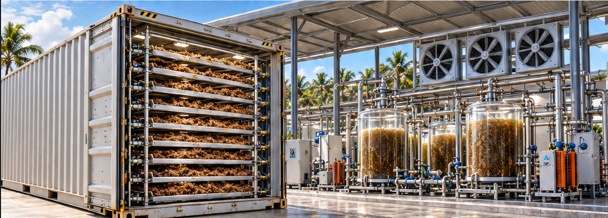
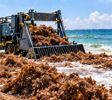
1. Collect and remove algae
Algae is collected from the affected shoreline.
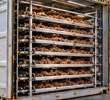
2. Load container shelving
It is loaded into a modified 40-foot container fitted with 10 vertical shelving units. The target is 10–15 metric tons per load, subject to engineering confirmation.
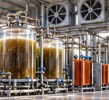
3. Preheat in glass tanks
The algae moves to glass processing tanks with preconditioning heat and fan-assisted circulation.
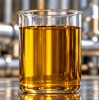
4. Recover fuel or biofuel
The prepared algae is processed to recover fuel. Pilot testing will set product specifications, recovery yields and energy requirements.
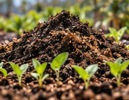
5. Blend residual biomass
The remaining biomass is formulated for blending with untreated or desert soils to make them more suitable for farming, subject to testing and field trials.
The cycle then repeats. Production scales by adding processing modules once performance and commercial viability are demonstrated.
Rollout
Proposed shoreline deployment

1. Assess coastal conditions
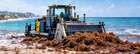
2. Pilot in affected Caribbean areas
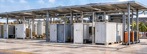
3. Deploy regional processing hubs

4. Expand where demand is verified
Commercial model
Two proposed revenue streams
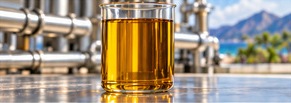
Fuel and biofuel sales
Supplied to qualified energy buyers, fuel distributors and industrial users, to agreed specifications.
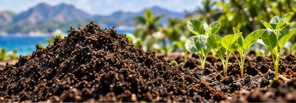
Soil conditioner sales and treatment services
Formulated soil amendments and application services for farms, landowners and agricultural developers.
Technology
Proprietary products and process
ACS identifies its algae products, fuel production process and soil conditioning formulations as proprietary and reports patent protection. Patent records, ownership, territorial coverage and commercialization rights are available for due diligence under a separate confidentiality agreement. Detailed formulations and operating parameters are reserved for confidential technical review.